
From historical schoolhouses to today's textbooks; a narrative of the history of education in Iran
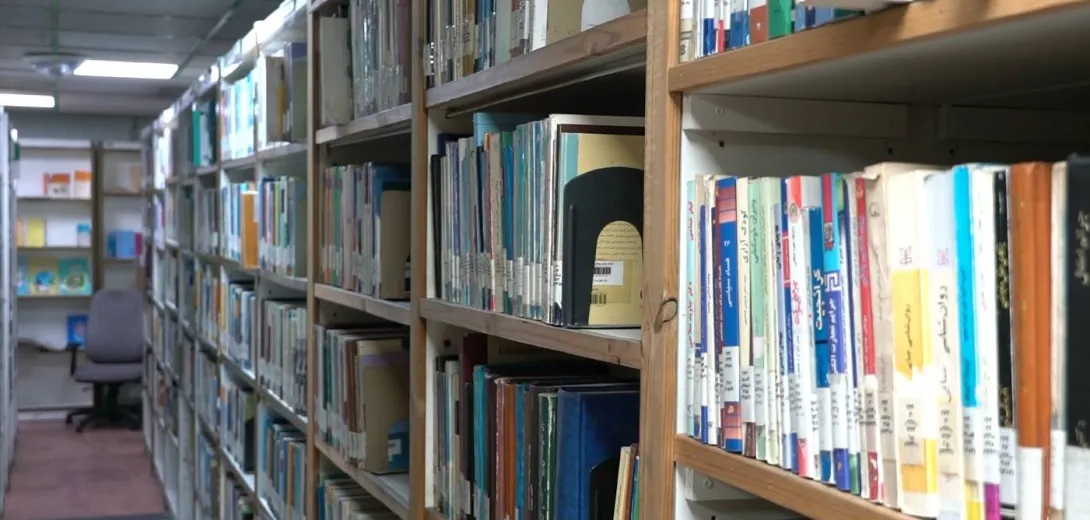
With the advent of Book Week, the head of the Library and Documentation Center of the Educational Research and Planning Organization, on the Education Network television program, explained the history of the organization's library, the importance of the textbook archive, and the research services of this organization.
According to the Public Relations and International Affairs Department of the Educational Research and Planning Organization, Akram Aini, head of the organization's library and documentation center, was a guest on the Education Network on TV during Book Week, and in this interview, she discussed the role of the organization's specialized library and the position of textbooks as the "written heritage of the educational system."
Referring to Article 6 of the 1963 Statute of the Textbook Organization, Akram Aini said: "According to the law, the existence of a library is mandatory for the production of educational content, and since that year, the initial core of the Educational Research and Planning Organization's library has been formed. Today, our textbook archive is considered the memory of the country's educational system."
Akram Aini stated that textbooks are not only a source of knowledge, but also carry cultural, social, and historical components. He added that these features have made textbooks the subject of serious attention from researchers and have become the subject of hundreds of master's and doctoral theses.
The head of the library department of the Educational Research and Planning Organization explained that the textbook archive began in the 1980s with a public call and collection of old copies from the public, and from the 1990s until today, printed and electronic copies of all books are available in the library.
Aini also announced the launch of an electronic archive of textbooks and said: "Currently, more than 2,110 textbook titles, from the first lithographic books of the Qajar period to books printed this year, are available digitally in the system."
She continued: "Those interested can search for textbooks in three ways by visiting the Research Organization's website at oerp.ir and logging into the library and documentation center system: bibliographic search, in-text search (especially for books from the 2010s onwards), and search based on the decade of publication."
"Our ultimate goal is to safeguard Iran's educational heritage and facilitate access to these reliable resources for a global community of researchers, teachers, students, and anyone interested in the history of education," Aini concluded. This vast archive now stands as a testament to how a nation's story can be told through the pages of its schoolbooks.
Add new comment