
Textbooks Mirror Iran's Cultural and Scientific Evolution from Constitutional Era to Today
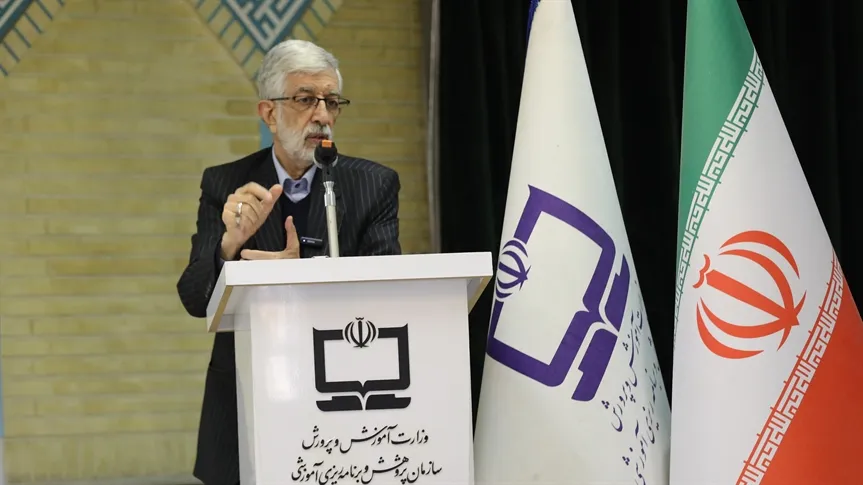
The launch of the book Bibliography of Lithographic Textbooks and an electronic textbook archive drew distinguished attendees, including Dr. Gholamali Haddad Adel, member of Iran's Supreme Council of the Cultural Revolution; Gholamreza Amirkhani, head of the National Archives and Library Organization; and Dr. Ali Latifi, deputy minister and head of the Educational Research and Planning Organization. Board members and experts also joined, underscoring the event's historical and cultural significance.
According to the organization's Public Relations and International Affairs Department, Dr. Haddad Adel reflected: "Every visit to the Research Organization evokes my youth spent in this very building, transporting me back to those formative educational years."
He highlighted textbooks' pivotal role in Iranian education history: "The Constitutional Revolution sparked a profound cultural shift, placing education at its core to address scientific lag. Textbooks have since guided Iran's scientific and cultural progress."
Lithographic Books: Cultural and Scientific Milestones
Dr. Haddad Adel stressed the value of lithographic books—early printed texts using lithography: "Post-Dar al-Fonon (Iran's first modern polytechnic) and especially after the Constitutional Revolution, these works embody reformers' and educators' drive to advance knowledge. Published in Iran and even India, they represent not just heritage, but Iran's educational evolution."
Drawing from his experiences in the organization and libraries, he noted: "Preserving these old books and lithographs is vital, enabling researchers and students to trace shifts in textbooks and teaching methods."
Textbooks: A National and Ethical Duty
"A textbook differs from ordinary books," Dr. Haddad Adel explained. "Its authors bear legal and moral responsibility for students' and teachers' lives, demanding meticulous content." He concluded by praising experts and officials: "Future generations can draw on this archive to learn from the past, treating it as a national asset for education and research."
Add new comment